
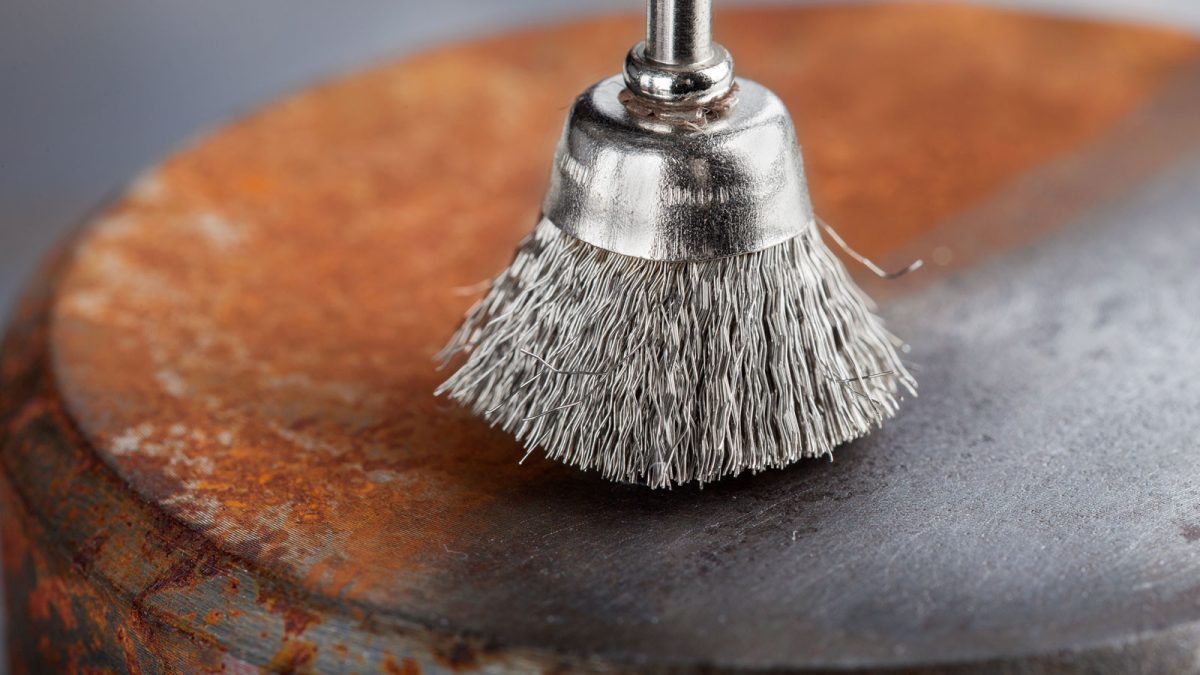

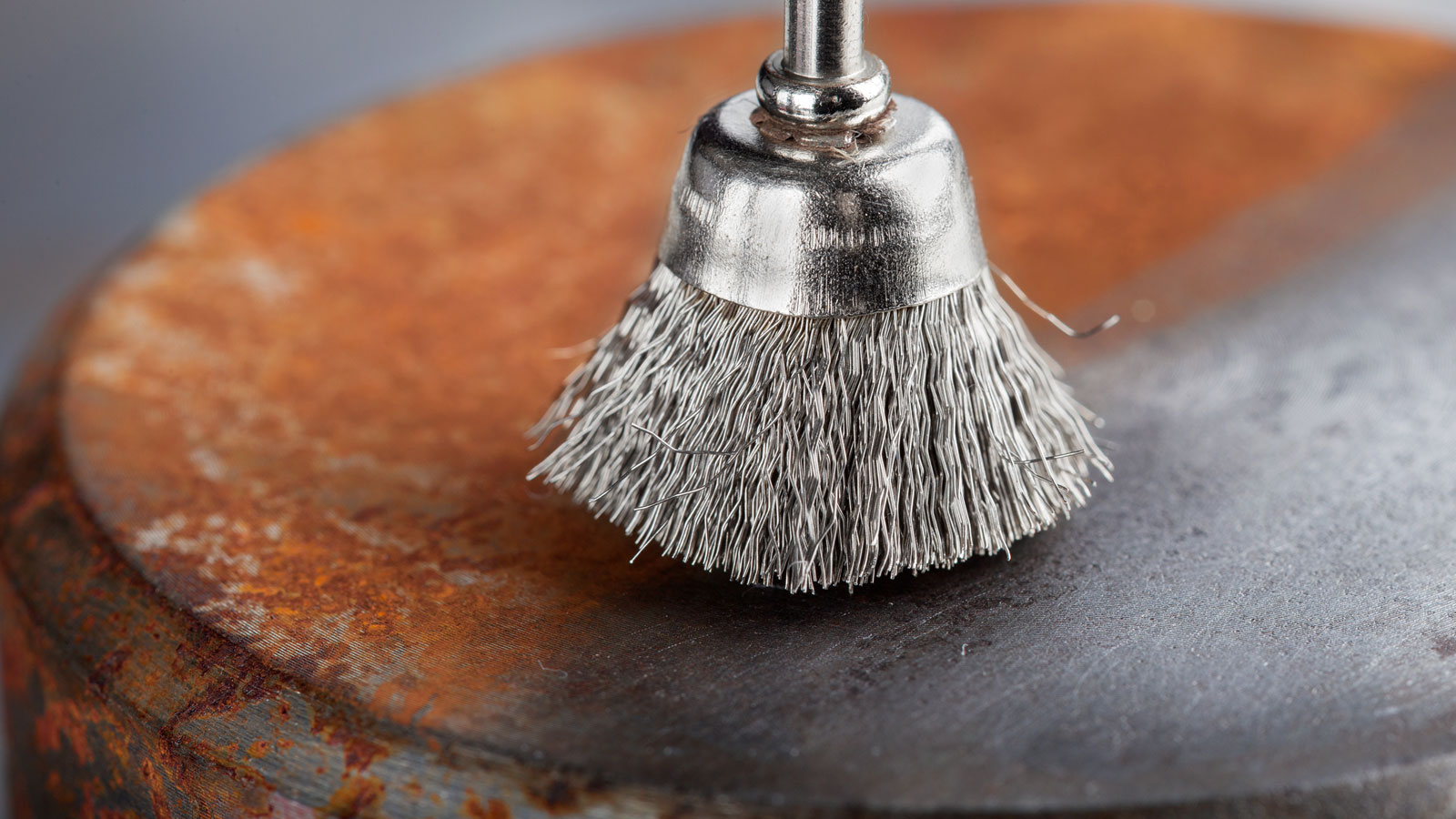
Rust on metal is one of those problems that looks worse than it often is. That orange, flaky coating is iron oxide — a surface reaction between iron, oxygen, and moisture. In most cases, it hasn’t compromised the underlying metal at all, and once you learn how to clean rust off metal, you can restore your items to their former glory.
To clean rust off metal, you use either a chemical that dissolves iron oxide (like white vinegar, lemon juice, or a commercial rust remover) or physical abrasion (sandpaper or wire brush), or a combination of both. The right method depends on the severity of the rust and what the metal piece is.
Step 1 — Identify What You’re Working With
Before grabbing a product, take 30 seconds to assess:
| Question | Why It Matters |
| Is it surface rust or deep rust? | Surface rust = quick fix. Deep pitting = more work |
| Can the item be submerged? | Soaking methods work best on fully submerged items |
| What is the metal? | Some methods work on all metals; some are specific |
| Is it painted? | Rust removers may strip paint — plan accordingly |
| Is it decorative or functional? | Decorative pieces need gentler methods to preserve finish |
Method 1 — White Vinegar Soak (Best for Tools and Hardware)
White vinegar is mildly acidic — specifically acetic acid — which dissolves iron oxide without attacking the underlying metal. It’s the safest and cheapest chemical method.
Steps:
- Place the rusty item in a container
- Cover completely with undiluted white vinegar
- Let soak for 1–12 hours depending on rust severity (check every hour or two)
- Remove and scrub with a wire brush, stiff brush, or crumpled aluminum foil
- Rinse thoroughly with water
- Dry immediately and completely — any remaining moisture restarts the rust process
- Apply a light coat of oil or rust-preventive spray
Best for: Hand tools, hinges, bolts, garden tools, small hardware items.
Note: Don’t leave in vinegar too long — the acid can start affecting the metal itself after 24 hours.
Method 2 — Baking Soda Paste (Good for Lighter Rust, Gentler Approach)
Baking soda is alkaline and mildly abrasive — it won’t dissolve rust as aggressively as vinegar, but it’s effective for light surface rust and gentler on delicate items.
Steps:
- Mix baking soda with just enough water to form a thick paste
- Apply to the rusted area and let sit for 30–60 minutes
- Scrub with a brush, steel wool, or aluminum foil
- Rinse and dry thoroughly
Best for: Kitchen items, chrome fixtures, items where you want a gentler approach.
Method 3 — Lemon Juice and Salt
The citric acid in lemon juice dissolves rust; the salt provides an abrasive boost.
Steps:
- Sprinkle salt over the rusted area
- Squeeze lemon juice over it generously
- Let it sit for 2–3 hours
- Scrub with the spent lemon rind (works better than you’d think) or a brush
- Rinse and dry completely
Best for: Kitchen knives, cutlery, small decorative metal items.
Method 4 — Commercial Rust Remover (For Moderate to Heavy Rust)
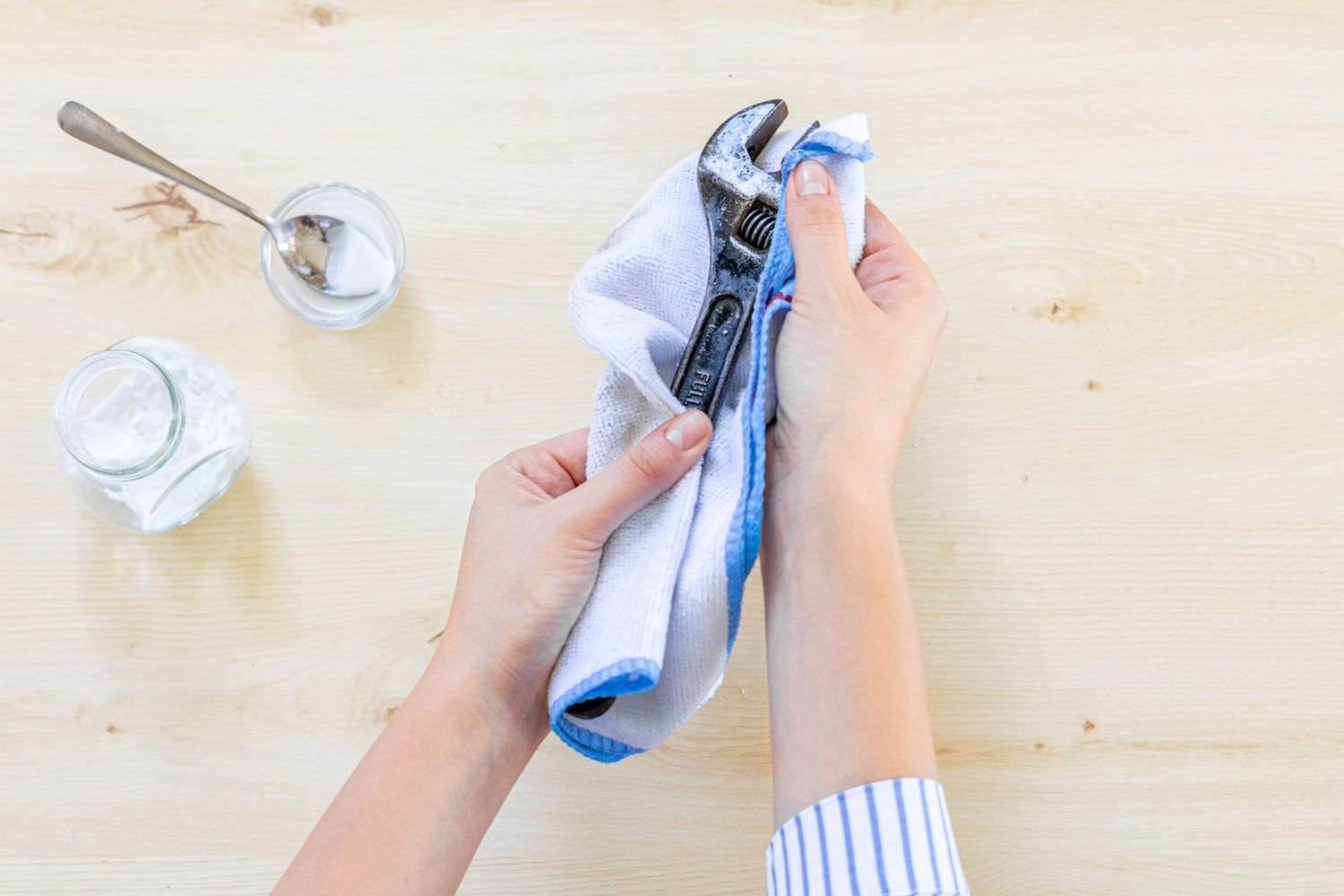
Products like Evapo-Rust, WD-40 Specialist Rust Remover Soak, or Rust-Oleum Rust Dissolver use phosphoric acid or chelating agents to aggressively convert or dissolve rust.
Steps:
- Apply or soak according to product directions
- Wait the recommended time — usually 15 minutes to several hours for heavy rust
- Agitate with a brush if needed
- Rinse thoroughly and neutralize if required by the product
- Dry immediately and apply protective coating
Best for: Car parts, heavily rusted tools, large or complex items where scrubbing is difficult.
Method 5 — Sandpaper and Wire Brush (Physical Removal)
When the rust is too thick for chemicals alone, or when the item is too large to soak, physical removal is the way.
Steps:
- Start with coarser grit (60–80) sandpaper or a wire brush
- Work in the direction of any grain in the metal
- Move to finer grit (120–220) to smooth the surface
- Wipe clean with a damp cloth
- Apply primer and paint, or oil for bare metal
Best for: Metal furniture, gates, railings, car bodywork, structural metal.
Choosing Your Method
| Your Situation | Best Method |
| Light rust on tools | White vinegar soak |
| Kitchen items or cutlery | Lemon + salt or baking soda |
| Heavy rust, mechanical parts | Commercial rust remover |
| Large surfaces that can’t be soaked | Sandpaper + wire brush |
| Old, valuable, or precision items | Electrolysis (look up the DIY method) |
| Rust stains on fabric / concrete | Oxalic acid (Bar Keepers Friend) |
After Cleaning — Preventing Rust From Coming Back
Cleaning rust and not protecting the metal afterward is a waste of effort. Rust will return — usually faster the second time because the surface is more porous after being cleaned.
Protection options:
| Method | Best For |
| Clear coat spray | Metal furniture, decorative pieces |
| Mineral oil or WD-40 | Tools, cast iron, unpainted metal |
| Rust-inhibiting primer + paint | Large outdoor metal items |
| Car wax | Chrome and polished surfaces |
| Dry storage | Keep tools in a dry environment with a moisture absorber |
Common Mistakes When Cleaning Rust
- Not drying immediately after treatment — leftover moisture restarts rust formation within hours
- Using steel wool on chrome or polished surfaces — leaves scratches that trap new rust
- Skipping the protective coating — the most commonly skipped step, and the most important
- Expecting one treatment to fix deep pitting — severe rust may need two or three rounds
Bottom Line
Cleaning rust off metal is almost always very doable with household supplies. White vinegar handles most tool and hardware rust remarkably well. For tougher jobs, a commercial rust remover cuts the work significantly. The step that most people skip — applying a protective coating afterward — is what determines whether you’re dealing with this again in three months or three years.
