
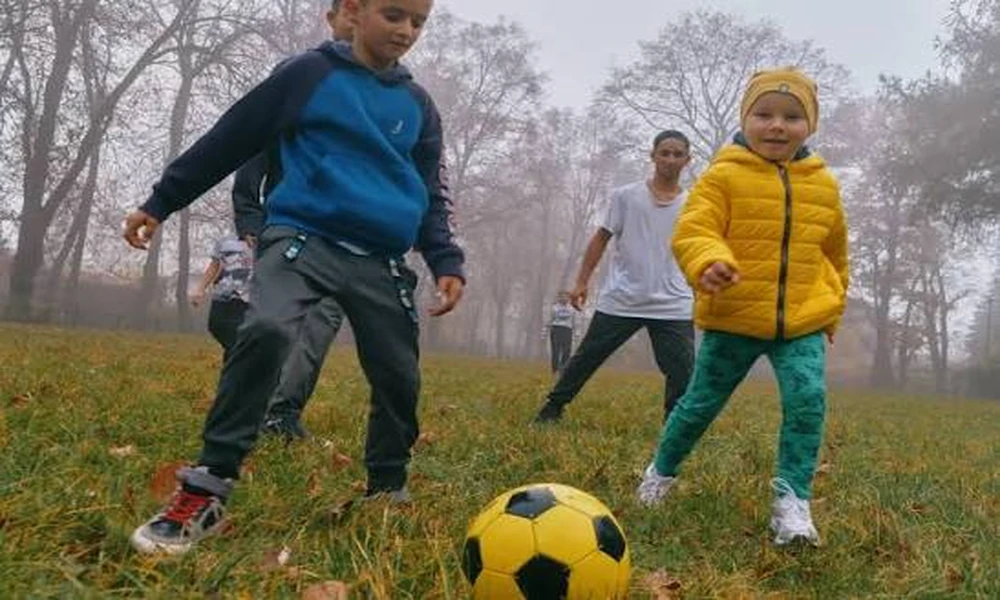

Ask most adults about their favourite childhood memories and many will mention the backyard. Kicking a footy against the fence until dark. Endless games of backyard cricket with dodgy rules and fierce rivalries. Shooting hoops in the driveway. Building cubby houses, climbing trees and inventing elaborate games with siblings and neighbours. Outdoor play is a big part of growing up, and it offers enormous benefits for children’s physical, social and emotional development.
Creating a safe, inviting play and sports area at home doesn’t require a sprawling property or a huge budget. It does require some thought about layout, surfaces, equipment and boundaries. Fencing is often a key part of the plan, particularly for ball sports. Options such as sports wire fencing can keep balls contained, protect gardens and windows, and help define a dedicated play space.
Why outdoor play matters
Outdoor play supports physical health by encouraging children to run, jump, climb, throw and kick. These activities help build strength, coordination, balance and fitness. Regular activity also supports better sleep, concentration and mood.
Playing outside encourages creativity and problem-solving. Without the structure of screens or organised activities, children invent games, negotiate rules and use their imaginations. Outdoor play also provides opportunities for social development, as children learn to cooperate, take turns and resolve conflicts.
Time outdoors connects children with nature too. Observing insects, plants and weather can spark curiosity and a lifelong appreciation of the natural world.
Planning the space
Start by thinking about how your family wants to use the area. Do your children love ball sports, climbing, imaginative play or a mix of everything? Consider their ages and how their interests might change over time.
Look at the available space and identify areas that are flat, well drained and visible from the house. Supervision is easier when play areas can be seen from the kitchen or living room. Consider sun and shade throughout the day. Australian summers can be harsh, so shade from trees, sails or pergolas is essential for comfortable and sun-safe play.
Think about noise as well, especially if neighbours are close by. Placing noisier activities away from bedrooms and boundaries can help keep everyone happy.
Safe surfaces, equipment and boundaries
The right surface can reduce injuries and make play areas more usable. Natural grass is ideal for running and ball games, though it requires maintenance and can wear in high-traffic areas. Synthetic turf offers a durable, low-maintenance option that stays green year-round.
Under play equipment, such as swings, climbing frames and slides, impact-absorbing surfaces like softfall, rubber matting or bark chips help cushion falls. Concrete and pavers can suit basketball courts and riding areas for bikes and scooters but are less forgiving if children fall.
Choose play and sports equipment that suits your children’s ages and abilities. Look for products that meet relevant Australian standards and follow manufacturer instructions for installation and maintenance. Anchor equipment securely to prevent tipping, and leave enough clear space around swings, slides and climbing frames to reduce the risk of collisions. Regularly inspect equipment for wear, loose bolts, sharp edges, rust and damage.
Portable equipment, such as soccer goals, cricket nets and basketball hoops, should be stable and properly secured.
Fencing plays an important role in creating safe play spaces. It can keep children away from driveways, roads, pools and other hazards. It also keeps balls from flying into neighbours’ yards, gardens or windows. Chain mesh and wire fencing is popular for sports areas because it’s durable, allows visibility and can be installed at heights suited to ball games. It’s commonly used around tennis courts, cricket nets, basketball areas and backyard pitches.
If you have a swimming pool, make sure pool fencing complies with all relevant safety regulations. Pool barriers are essential for preventing drowning and must be maintained in good condition.
Making it fun and keeping it safe
A great play area should invite children outside. Include a mix of active and quiet spaces. Alongside sports areas, consider sandpits, garden beds, cubby houses, balance beams or a simple patch of lawn for picnics and imaginative play.
Encourage children to help design the space. Their ideas can lead to creative features and give them a sense of ownership. Flexible spaces that can adapt as children grow will provide value for years.
Lighting can extend play into the evening, while seating areas allow adults to supervise comfortably or join in the fun.
Safety is an ongoing commitment. Keep play areas tidy, remove trip hazards and store tools, chemicals and garden equipment securely. Teach children basic safety rules, such as how to use equipment properly and where they can and can’t play. Supervision remains important, especially for younger children.
A thoughtfully designed outdoor play and sports area can become the heart of family life. It encourages activity, creativity and connection while keeping children safe. With careful planning, durable materials and a focus on fun, your backyard can become the setting for countless memories in the making.
Creating Safe Outdoor Play and Sports Areas at Home
