
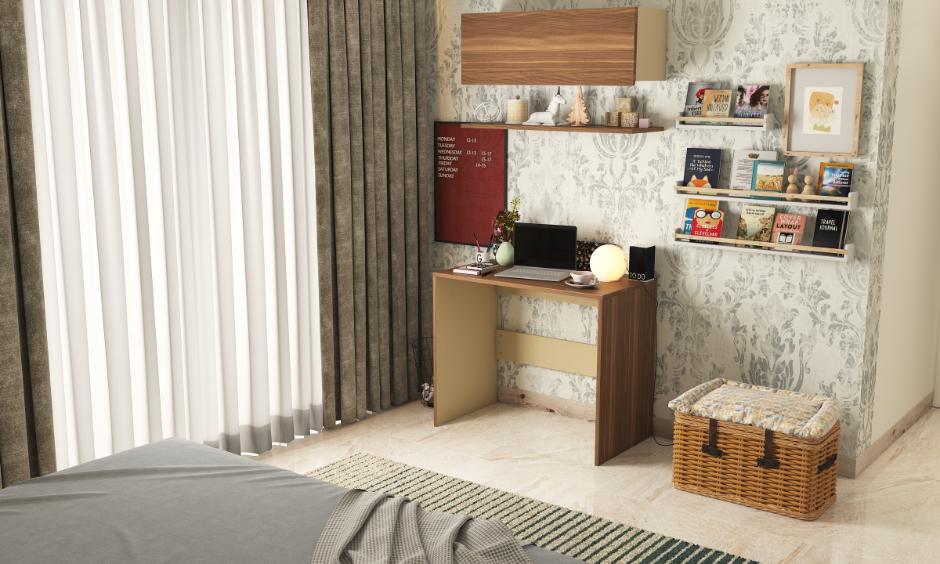

Reverse showroom styling begins with one bold, meaningful furniture piece and builds the rest of the room around it. Instead of selecting neutral furnishings first and adding accents later, this method highlights a statement item as the visual and emotional anchor of the space. In San Jose, where modern homes often blend technology-driven design with eco-conscious values, upcycled furniture offers both character and sustainability as a starting point for interior styling.
Upcycled statement pieces are especially effective in this approach because they introduce texture, story, and uniqueness that mass-produced furniture cannot replicate.
Why Upcycled Furniture Works as a Focal Point in San Jose Homes
San Jose residents increasingly prioritize sustainable living, and interior design reflects that shift. Upcycled furniture supports environmental responsibility while providing artistic distinction.
Key advantages include:
- Distinct appearance: Each piece carries visible craftsmanship and material history.
- Environmental benefit: Reusing wood, metal, and fixtures reduces landfill waste.
- Local relevance: Many San Jose artisans source materials from regional demolition and renovation projects.
- Conversation value: Guests are naturally drawn to furniture with a story.
When a reclaimed-wood dining table or repurposed industrial cabinet becomes the focal point, the rest of the room gains direction and coherence.
Selecting the Right Statement Piece
In reverse showroom styling, the statement piece must guide layout, color palette, and material choices. San Jose interiors often favor light-filled rooms and clean architectural lines, making contrast especially effective.
Strong focal options include:
- Reclaimed barn-wood dining tables with steel bases
- Vintage doors converted into headboards
- Factory carts repurposed as kitchen islands
- Antique dressers refinished as bathroom vanities
The chosen piece should be visually dominant yet functionally practical, ensuring the room remains usable, not merely decorative.
Building the Room Around the Statement Piece
Once the focal item is placed, surrounding elements should support rather than compete with it. Reverse showroom styling requires disciplined restraint to preserve visual clarity.
Design strategies that work well in San Jose homes include:
- Neutral wall colors that allow aged wood and metal textures to stand out
- Simple seating and storage with clean silhouettes to balance rustic materials
- Layered lighting to highlight craftsmanship details without harsh shadows
- Minimal décor that reinforces the furniture’s theme without clutter
This approach keeps the statement piece visually dominant while ensuring the room remains cohesive and comfortable.
Integrating Modern Elements with Upcycled Materials
San Jose’s design culture often blends innovation with tradition. Reverse showroom styling benefits from pairing upcycled furniture with modern technology and finishes.
Effective pairings include:
- Smart lighting systems illuminating reclaimed shelving
- Polished concrete floors beneath antique wood furniture
- Sleek glass tabletops paired with salvaged metal frames
- Contemporary artwork mounted above distressed wood consoles
These combinations preserve the warmth of reclaimed materials while aligning with the city’s modern architectural preferences.
Sustainability and Long-Term Design Value
Beyond aesthetics, reverse showroom styling with upcycled furniture supports long-term design flexibility. Statement pieces with strong construction can adapt to future layout changes, allowing homeowners to redesign without replacing major furnishings.
Long-term benefits include:
- Reduced replacement costs
- Increased durability compared to disposable furniture
- Continued relevance as trends shift toward sustainable interiors
In San Jose’s competitive housing market, well-designed interiors with custom upcycled features can also enhance resale appeal by signaling quality and environmental awareness.
Final Thoughts
Reverse showroom styling transforms interior design by allowing one upcycled statement piece to guide the entire room’s aesthetic. In San Jose, where sustainability and innovation coexist, this approach aligns with both environmental values and contemporary design preferences.
By selecting a distinctive reclaimed furniture item and building thoughtfully around it, homeowners can achieve interiors that feel intentional, personal, and enduring, spaces where design begins not with trends, but with meaning and material history.
